Summary: Any businesses that want more leads, clients and prospective buyers are businesses that need SEO!
Last updated: December 23, 2025
If you’ve ever wondered whether your business actually needs SEO, you’re not alone. Many business owners question whether investing in search engine optimization is worth it for their specific industry. The short answer? If your potential customers use Google to find solutions, products, or services like yours, then yes—you absolutely need SEO.
Let’s break down which types of businesses benefit most from SEO, why it matters for your specific industry, and how to know if your business is leaving money on the table by ignoring organic search.

What Types of Businesses Need SEO?
The reality is that nearly every business with an online presence can benefit from SEO. However, some industries see dramatically better returns on their SEO investment than others. The businesses that need SEO most are those whose customers actively search for their services online before making a decision.
If your business falls into any category where people research before buying, compare options, or search for local providers, SEO should be a cornerstone of your marketing strategy. From professional services to e-commerce stores, healthcare providers to home service companies, the common thread is simple: your customers are searching, and you need to be found.
Industries That Benefit Most from SEO
1. Legal Services and Law Firms
Lawyers and law firms are among the biggest beneficiaries of SEO investment. Why? Because people facing legal issues almost always start their search online. Whether someone needs a personal injury attorney, divorce lawyer, or criminal defense representation, they’re typing those exact terms into Google.
The legal industry is also highly competitive and lucrative, meaning the cost per click for paid ads can be astronomical—often $50-$200 per click in competitive markets. SEO provides a way to capture these high-intent searches without paying for every single click. A well-optimized law firm website can generate hundreds of qualified leads per month purely through organic search.
Local SEO is particularly crucial for law firms since most legal services are location-specific. Ranking in the local map pack for searches like “personal injury lawyer near me” or “family law attorney [city]” can be the difference between a thriving practice and one that struggles to find clients.
2. Healthcare and Medical Practices
Medical practices, dental offices, chiropractors, physical therapists, and other healthcare providers absolutely need SEO. Patients research their symptoms, conditions, and treatment options online before booking appointments. They also search for providers by specialty and location.
Healthcare SEO is unique because it combines informational content (answering health questions) with local SEO (helping patients find and book appointments). A dental practice that ranks for “teeth whitening [city]” and “emergency dentist near me” will consistently fill their schedule, while competitors without SEO visibility struggle with empty appointment slots.
Medical practices also benefit from educational content that builds trust. When your practice ranks for informational queries related to your specialty, you’re positioning yourself as the expert patients want to see. This is particularly valuable in healthcare where trust and credibility are paramount.
3. Home Services and Contractors
Plumbers, electricians, HVAC companies, roofers, landscapers, and general contractors operate in industries where SEO can be transformative. Why? Because when someone has a broken pipe, needs their AC fixed, or wants to remodel their kitchen, they’re immediately searching for local providers.
Home service businesses benefit massively from local SEO and Google Business Profile optimization. Ranking in the local map pack for searches like “emergency plumber [city]” or “roof repair near me” puts you in front of customers at the exact moment they need your services. These are high-intent searches from people ready to hire and spend money.
The seasonal nature of some home services also makes SEO valuable. HVAC companies can optimize for “AC repair” in summer and “furnace repair” in winter. Landscapers can target “lawn care” in spring and “snow removal” in winter. Year-round SEO strategy ensures you’re capturing demand whenever it exists.
4. Real Estate Agents and Agencies

Real estate is an industry built on local search. Home buyers and sellers start their journey online, researching neighborhoods, property values, market trends, and of course, searching for real estate agents. If you’re not showing up in search results, you’re invisible to potential clients.
Real estate SEO works on multiple levels. Individual agents need local SEO to rank for searches like “real estate agent [neighborhood]” or “homes for sale in [area].” They also benefit from content that answers buyer and seller questions, positioning them as knowledgeable local experts.
The best real estate SEO strategies combine hyper-local optimization (neighborhood-specific pages), educational content (home buying guides, market updates), and strong Google Business Profile presence. This multi-pronged approach captures leads at various stages of the buying or selling journey.
5. E-commerce and Retail Businesses
Online stores live and die by their ability to be found in search results. E-commerce SEO is non-negotiable if you want to compete with Amazon, big box retailers, and other online shops. Every product page is an opportunity to rank for searches related to what you sell.
E-commerce businesses need SEO for product pages, category pages, and informational content that helps shoppers make decisions. Someone searching “best running shoes for flat feet” is in research mode. Someone searching “Nike Air Zoom Pegasus 40 size 10” is ready to buy. Your SEO strategy should capture both.
Local retail businesses also benefit from SEO even if they have physical locations. “Near me” searches have exploded, and retailers that optimize for local search capture customers who want to shop locally or pick up items the same day. Combining e-commerce SEO with local SEO gives you the best of both worlds.
6. Professional Services (Accounting, Consulting, Marketing)
Accountants, business consultants, marketing agencies, financial advisors, and other professional service providers need SEO because their clients research extensively before hiring. These are high-consideration purchases where people want to evaluate expertise, read reviews, and compare options before making a decision.
Professional service SEO focuses heavily on demonstrating expertise and building trust. Blog content, case studies, client testimonials, and thought leadership pieces all contribute to ranking well while also convincing prospects you’re the right choice. Ranking for industry-specific searches establishes you as an authority in your field.
Local SEO matters here too, especially for services like accounting and financial planning where people prefer working with someone nearby. Ranking for “CPA [city]” or “business consultant [region]” captures local prospects actively seeking your expertise.
7. Restaurants and Food Service

Restaurants face unique SEO challenges and opportunities. While Yelp, Google Maps, and food delivery apps dominate discovery, having your own optimized website still matters. People search for specific cuisines, dietary options, and restaurant names directly.
Restaurant SEO focuses heavily on Google Business Profile optimization, local pack rankings, and ensuring accurate information across directories. When someone searches “Italian restaurant near me” or “gluten-free dining [neighborhood],” you want to appear. Reviews, photos, menu information, and hours all contribute to local SEO success.
Restaurants can also benefit from content SEO by creating recipe blogs, cooking tips, or food-related content that attracts traffic and builds brand awareness. While this doesn’t directly drive reservations, it increases visibility and positions your restaurant as part of the local food culture.
8. SaaS and Technology Companies
Software-as-a-service companies and tech businesses need SEO to compete in crowded markets. Potential customers research solutions extensively, compare features, read reviews, and search for alternatives before making purchasing decisions. If your SaaS product doesn’t rank for relevant searches, you’re missing a massive acquisition channel.
SaaS SEO typically focuses on bottom-of-funnel keywords (product comparisons, “[competitor] alternative,” feature-specific searches) and top-of-funnel content (how-to guides, industry insights, educational resources). This comprehensive approach captures users at every stage of the buying journey.
Technology companies also benefit from technical SEO excellence since their audience often includes technically savvy users who notice site speed, mobile optimization, and overall user experience. Your SEO performance becomes a subtle signal of your technical competence.

How to Know If Your Business Needs SEO
Not sure if SEO is worth it for your specific business? Ask yourself these questions:
- Do your potential customers search online before buying? If yes, you need SEO. If they’re making purchasing decisions based on Google searches, being invisible in search results means you don’t exist to them.
- Are your competitors ranking for valuable keywords? Do a few Google searches for your main services or products. If competitors are showing up and you’re not, you’re losing potential customers to them every single day.
- Do you rely on paid ads for traffic? Paid advertising is expensive and stops working the moment you stop paying. SEO provides long-term, sustainable traffic that doesn’t disappear when your ad budget runs out.
- Is your industry competitive? In competitive industries, businesses that invest in SEO gain a massive advantage over those that don’t. SEO compounds over time—the sooner you start, the bigger your advantage.
- Do you serve a local area? Local businesses benefit tremendously from local SEO. If you serve customers in a specific geographic area, local search optimization can fill your pipeline with qualified leads.
What Happens When Businesses Ignore SEO
Businesses that neglect SEO face several significant challenges. First, they become completely dependent on paid advertising, which is expensive and unsustainable long-term. Every customer acquisition requires continuous ad spend, and costs only increase over time as competition grows.
Second, they lose market share to competitors who do invest in SEO. While you’re invisible in organic search, competitors are capturing all that traffic and building their customer base. The longer you wait, the harder it becomes to catch up because they’re building domain authority and content libraries while you’re starting from zero.
Third, they miss out on high-intent traffic from people actively searching for their solutions. These are the warmest leads possible—people who already know they have a problem and are looking for someone to solve it. Ignoring SEO means ignoring this incredibly valuable audience.
Getting Started with SEO for Your Business
If you’ve realized your business needs SEO, the good news is you can start seeing results within months. The key is implementing a strategic approach that combines technical optimization, content creation, and ongoing optimization.
Start with keyword research to understand what your potential customers are actually searching for. Don’t guess—use tools like Google Keyword Planner, Ahrefs, or SEMrush to identify high-value search terms. Then optimize your existing website pages for these keywords while creating new content that targets related searches.
Local businesses should prioritize Google Business Profile optimization and local citations. Make sure your NAP (name, address, phone) information is consistent across the web, build local citations on relevant directories, and actively manage your reviews. These foundational elements significantly impact local search rankings.
For best results, consider working with an SEO professional or agency that understands your industry. Every business type has unique SEO challenges and opportunities, and experienced professionals know how to navigate them. The investment in professional SEO typically pays for itself many times over through increased organic traffic and customer acquisition.
Your Competitors Are Already Doing SEO
Here’s the reality: if you’re reading this wondering whether your business needs SEO, your competitors have already made that decision and are capturing the customers you’re missing. Every day you wait is another day of lost opportunities, missed leads, and revenue going to businesses that invested in their online visibility.
The businesses winning in your market aren’t necessarily better than you—they’re just more visible. SEO levels the playing field, allowing smaller businesses to compete with larger competitors and enabling local businesses to dominate their geographic markets. The question isn’t whether your business needs SEO. It’s whether you can afford to keep ignoring it.
Ready to stop losing customers to competitors who rank higher in search? Contact us today to discuss how SEO can transform your business visibility and drive consistent, qualified leads to your door.
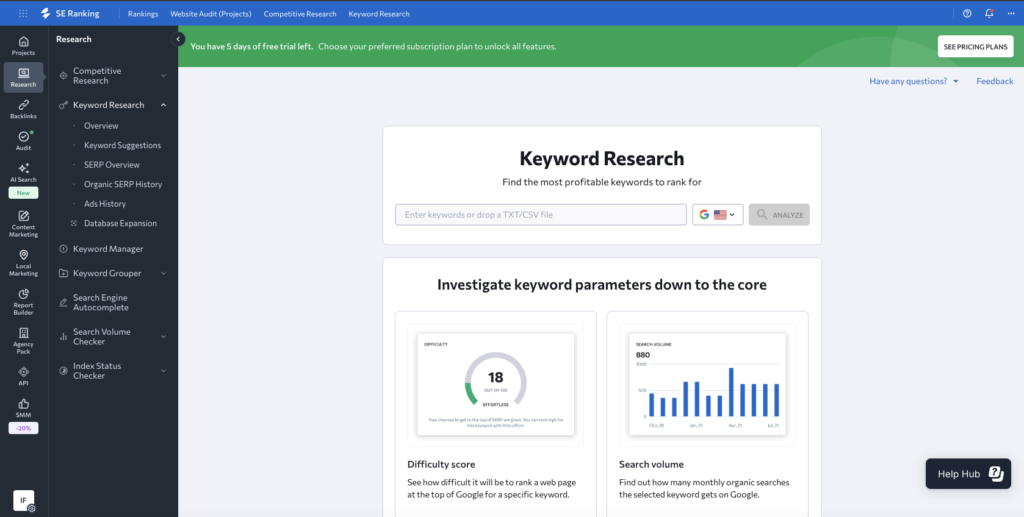
How to Do Keyword Research in 2026: Complete Guide for Small Businesses
Keyword research is the foundation of SEO success—but most small business owners either skip it…

Similar Software to SEO Clarity: Affordable Alternatives for Small Businesses
If you’re searching for similar software to SEO Clarity, chances are you’ve just experienced serious…
Best SEMrush Alternatives in 2026: Affordable SEO Tools That Actually Work
If you’re searching for the best SEMrush alternatives, you’re probably experiencing one of two things:…
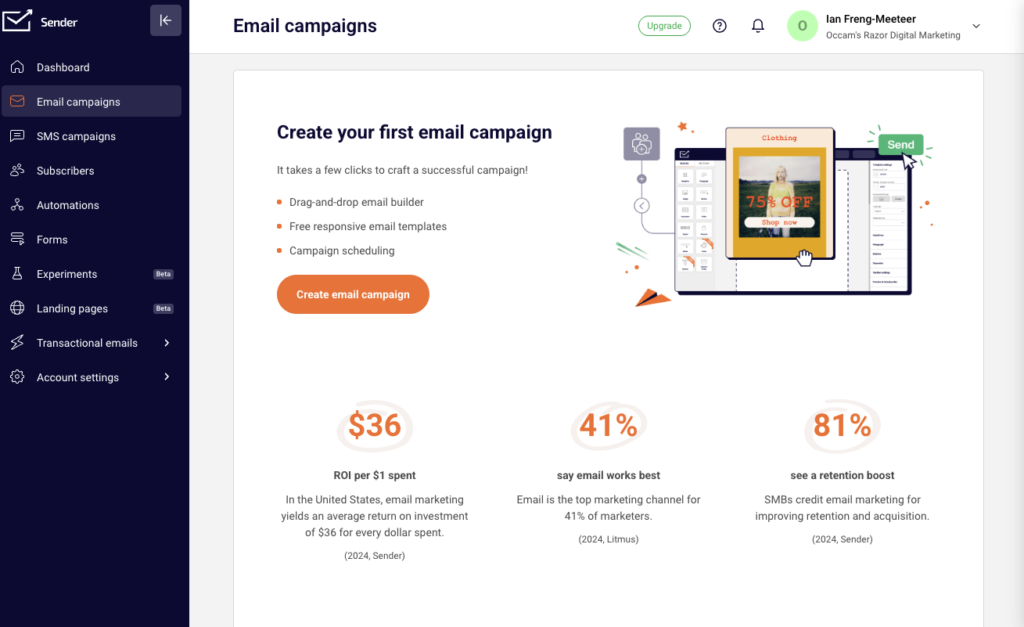
Hotel Email Marketing Software: Why Sender.net is the Perfect Solution for Hotels
Summary: Looking for reliable hotel email marketing software? Sender.net offers hotels everything needed to automate…

How Do I Get More Customers? 10 Proven Strategies for Small Businesses in 2026
Summary: Wondering: “How Do I Get More Customers in 2026?” This comprehensive guide reveals 10…

Best Website Builder for Nonprofit Organizations: Free and Discounted Options in 2026
Summary: Nonprofits operate on tight budgets, making expensive website builders impractical. This guide reviews the…