
Summary: SEO for service based businesses is the most cost efficient marketing method to increase qualified leads coming into your business that WANT your service. Effective marketing makes selling redundant!
Last updated: January 6, 2026
If you run a service-based business—whether you’re a consultant, contractor, lawyer, accountant, or any other professional selling expertise and labor—understanding SEO for service based businesses is critical to your success in 2026. You’ve probably wondered if SEO is really worth the investment, after all, you’re not selling products online. You’re selling your time, skills, and expertise. Does search engine optimization actually matter for service businesses?

The answer is a resounding yes. In fact, service based businesses often see even better ROI from SEO than product-based businesses because your customers are actively searching for solutions to specific problems—problems you can solve. When someone searches “business attorney Chicago” or “HVAC repair near me,” they’re not browsing. They’re ready to hire someone right now.
Let’s explore why SEO has become non-negotiable for service businesses in 2026, how it differs from e-commerce SEO, and what you need to do to capture high-intent customers actively searching for your services.
How Service-Based Businesses Are Different from Product Businesses
Service businesses operate fundamentally differently than retail or e-commerce companies, and your SEO strategy needs to reflect that. When you sell services, you’re selling trust, expertise, and outcomes—not physical products with prices and specifications.
Your customers can’t add your consulting services to a shopping cart and checkout in 30 seconds. They need to research, evaluate options, read reviews, and feel confident you’re the right choice before reaching out. This longer consideration period means SEO plays an even more critical role in the customer journey.
Service businesses also typically serve specific geographic areas. While e-commerce companies can sell to anyone anywhere, most service providers work within defined regions. A plumber in Austin can’t help someone in Boston, no matter how good their SEO is. This geographic limitation makes local SEO absolutely crucial for service-based businesses.
Another key difference is the lifetime value of customers. Service businesses often work with clients repeatedly over months or years. Landing one good client through SEO for service based businesses can generate tens of thousands in revenue over time, making each lead exponentially more valuable than a single product sale.
Why Traditional Marketing Doesn’t Work Like It Used To
Remember when service businesses relied on Yellow Pages ads, direct mail, and word-of-mouth referrals? Those days are gone. When someone needs a service provider in 2026, they don’t ask their neighbor or flip through a phone book—they Google it.
The statistics are stark. Over 90% of people research services online before making a decision. When your toilet is flooding, you search “emergency plumber near me.” When you need legal help, you search “divorce attorney [your city].” When your AC breaks in summer, you search “AC repair near me” on your phone. If your business doesn’t show up in these searches, you simply don’t exist to these ready-to-buy customers.
Traditional advertising like billboards, radio ads, and newspaper placements have become incredibly inefficient for service businesses. You’re paying to reach everyone, including the 99% who don’t need your services right now. SEO flips this model—you’re only capturing people actively searching for what you offer. The intent is already there. You’re not interrupting them. You’re answering their call for help.
Even referrals have changed. Before someone calls the contractor their friend recommended, they’ll Google that contractor’s name to check reviews, see their website, and verify they’re legitimate. If you don’t have a professional online presence optimized for search, you’re losing referral business too.
The SEO For Service Businesses Advantage
With SEO for service based businesses you actually have several advantages over e-commerce companies. First, you’re competing locally, not globally. A local accounting firm doesn’t need to outrank H&R Block nationally—just in their city or region. This dramatically reduces competition and makes rankings more achievable.
Second, service businesses can create incredibly valuable content that demonstrates expertise. When a lawyer writes detailed guides about estate planning or a contractor publishes how-to content about home repairs, they’re building trust while improving SEO. This content marketing approach works beautifully for services because you’re educating potential clients while showcasing your knowledge.
Third, reviews and reputation signals matter more for service businesses, and these directly impact SEO. Google knows that someone hiring a plumber or attorney wants to see reviews and credentials. Strong review profiles boost your local SEO rankings while also improving conversion rates. It’s a double win.
Finally, service businesses benefit from relationship-based searches. People often search for “[service] near me” or “[service] [neighborhood]” because they want someone local they can build a relationship with. This hyper-local intent plays perfectly into local SEO strategies that are more accessible and affordable than competing nationally.

Key SEO Strategies for Service-Based Businesses
1. Google Business Profile Optimization
Your Google Business Profile is the single most important SEO asset for local service businesses. When someone searches for your type of service with local intent, Google shows a map with three businesses—the local map pack. Getting into this coveted spot can transform your business.
Optimizing your Google Business Profile means filling out every field completely and accurately. Choose the right primary category (this is crucial for rankings), add all relevant secondary categories, write a keyword-rich business description, upload high-quality photos, post regular updates, and most importantly, actively generate and respond to reviews.
Don’t underestimate the power of posts and Q&A sections in your profile. These give you additional opportunities to include keywords, showcase your expertise, and provide helpful information that convinces searchers to choose you. Businesses that actively manage their Google Business Profile consistently outrank competitors who treat it as a set-it-and-forget-it listing.
2. Local SEO and Citation Building
Citations—mentions of your business name, address, and phone number on other websites—are fundamental to local SEO. Google uses citations to verify your business is legitimate and to determine your service area. Inconsistent citations confuse Google and hurt your rankings.
Start by ensuring your NAP information is absolutely identical everywhere it appears online: your website, Google Business Profile, Yelp, Facebook, industry directories, and any other platform where you’re listed. Even small variations like “St.” versus “Street” or listing a suite number differently can cause problems.
Build citations on high-authority directories relevant to your industry. General directories like Yelp, Better Business Bureau, and Yellow Pages matter, but industry-specific directories often carry more weight. Lawyers should be on Avvo and Justia. Contractors should be on Angi and HomeAdvisor. Accountants should be on professional directories. These targeted citations signal relevance to Google.
3. Service Pages Optimized for Intent
Every service you offer deserves its own dedicated, optimized page. Don’t lump everything into one generic “Services” page. If you’re an HVAC company, you need separate pages for AC repair, furnace installation, ductwork cleaning, and preventive maintenance—each optimized for those specific search terms.
Service pages should address the specific pain points and questions potential customers have about that service. Someone searching “AC repair” wants to know what’s included, how quickly you can help, what it costs, and why they should choose you. Your service page should answer all these questions while naturally incorporating relevant keywords.
Include clear calls-to-action on every service page. Make it effortless for people to call you, fill out a contact form, or schedule an appointment. Service-based SEO isn’t just about rankings—it’s about conversions. A well-optimized service page that ranks well and converts visitors into customers is worth its weight in gold.
4. Content Marketing That Demonstrates Expertise
Content marketing is where service businesses can really shine in SEO. Creating helpful, educational content serves multiple purposes: it improves your rankings, demonstrates your expertise, builds trust, and provides value to potential customers even before they hire you.
A law firm can publish guides about common legal issues, explaining processes and answering frequently asked questions. A financial advisor can write about retirement planning strategies or investment principles. A contractor can create how-to guides, maintenance tips, and explanations of common home problems. This content attracts traffic from people researching topics related to your services.
The key is creating content that answers real questions your potential customers are asking. Use tools like AnswerThePublic or simply review the questions clients actually ask you during consultations. These real-world questions make perfect blog topics that will rank for exactly what people are searching.
Don’t worry about giving away too much information. The DIY crowd wasn’t going to hire you anyway. People who read your expert content and realize how complex their problem is will be more likely to hire you, not less. You’re demonstrating that you’re the expert they need.
5. Review Generation and Management
Reviews are simultaneously a ranking factor, a trust signal, and a conversion driver. They impact where you rank in local search, whether people click on your listing, and whether they ultimately hire you. A strong review strategy is non-negotiable for service-based businesses.
Develop a systematic approach to requesting reviews from satisfied clients. The best time to ask is right after you’ve delivered great results, when the positive experience is fresh in their mind. Make it easy by sending direct links to your Google Business Profile review page. Most happy customers are willing to leave reviews—they just need to be asked.
Respond to every review, positive and negative. Thank people for positive reviews and address any concerns raised in negative reviews professionally and constructively. How you handle criticism tells potential customers a lot about how you’ll treat them if something goes wrong. Professional, helpful responses to negative reviews can actually improve your reputation.
Never, ever buy fake reviews or incentivize reviews in ways that violate platform policies. Google is sophisticated at detecting fake reviews, and getting caught can result in severe penalties including suspension of your Google Business Profile. It’s not worth the risk.

Common SEO Mistakes Service Businesses Make
One of the biggest mistakes is treating SEO as a one-time project rather than an ongoing strategy. SEO is not something you set up once and forget about. It requires consistent effort: creating content, generating reviews, building citations, monitoring rankings, and adapting to algorithm changes. Service businesses that view SEO as ongoing marketing investment see the best results.
Another common error is targeting the wrong keywords. Ranking for overly broad terms like “lawyer” or “consultant” is nearly impossible and wouldn’t be valuable anyway. Someone searching “lawyer” doesn’t know what they need yet. Someone searching “employment discrimination attorney Chicago” is a qualified lead. Focus on specific, high-intent keywords that indicate someone is ready to hire.
Many service businesses also neglect mobile optimization, which is catastrophic in 2026. The majority of local service searches happen on mobile devices. If your website doesn’t load quickly, isn’t easy to navigate on a phone, and doesn’t have click-to-call buttons prominently displayed, you’re losing a huge percentage of potential customers.
Finally, some service businesses try to target service areas that are too broad. An electrician claiming to serve an entire state isn’t believable or helpful. Google wants to see realistic, specific service areas. Be honest about where you actually travel for jobs and optimize for those specific cities or neighborhoods. You’ll rank better and attract more relevant leads.
Measuring SEO Success for Service Businesses
Unlike e-commerce where you can track every sale back to specific keywords, measuring service-based SEO requires looking at leading indicators. Phone calls, contact form submissions, appointment bookings, and consultation requests are your key conversion metrics. Make sure you’re tracking these properly with call tracking and form analytics.
Rankings matter, but they’re not the ultimate goal. You want rankings for terms that drive qualified leads. Track your positions for your most important keywords—your services plus your location—and monitor trends over time. Steady improvement in rankings for high-value terms correlates strongly with increased leads.
Google Business Profile insights provide valuable data on how people find and interact with your listing. You can see how many people viewed your profile, called your business, requested directions, and visited your website. Increases in these metrics indicate your local SEO efforts are working.
Ultimately, the best measure of SEO success is business growth. Are you getting more calls from new customers? Is your calendar filling up? Are you turning away work because you’re too busy? These business outcomes are what SEO is supposed to deliver. If you’re seeing rankings improve but business isn’t growing, something in your conversion funnel needs attention.
The Long-Term Value of SEO for Service Businesses
One of the most compelling reasons to invest in SEO for service based businesses is its compounding nature. Unlike paid advertising where traffic stops the moment you stop paying, SEO builds over time. A blog post you write today can generate leads for years. High rankings you achieve continue delivering traffic and customers long after the initial optimization work.
This creates a snowball effect. As you publish more content, build more citations, generate more reviews, and establish more authority, your overall domain strength improves. This makes it easier to rank for new keywords, faster to see results from new content, and harder for competitors to displace you.
2-3 years of consistent SEO for service based businesses often reaches a point where the business dominates their local market. They rank for virtually every relevant search term, their Google Business Profile appears in the map pack consistently, and they generate more leads than they can handle. At this point, SEO isn’t just marketing—it’s a competitive moat protecting your business.
The return on investment for service-based SEO is exceptional when viewed long-term. While the first few months require investment without proportional returns, the curve bends dramatically after 6-12 months. Businesses that stay committed through the initial build-up phase reap outsized rewards as their SEO momentum compounds.

Why 2026 Is the Time to Invest in SEO
If you’ve been on the fence about SEO, 2026 is the year to commit. Competition for local service businesses is only increasing, and the businesses that establish SEO dominance now will be incredibly difficult to displace in the future. Every month you wait is another month your competitors are building their advantage.
AI-powered search and voice search are changing how people find service businesses, but they’re making SEO more important, not less. Whether someone asks Alexa for a recommendation or uses ChatGPT to research options, these AI systems are pulling information from the same places Google does: websites with strong SEO, high review counts, and authoritative content.
The cost of paid advertising continues to rise while SEO becomes more accessible with better tools and clearer best practices. Service businesses that over-rely on Google Ads or Facebook ads are seeing their customer acquisition costs climb year after year. SEO provides a sustainable alternative that improves over time instead of becoming more expensive.
Most importantly, your potential customers are actively searching for you right now. Every day without strong SEO is a day you’re invisible to people who need your services and are ready to pay for them. The opportunity cost of not investing in SEO is massive for service-based businesses.
Ready to stop losing service calls to competitors who rank higher? Our SEO services help service-based businesses dominate local search, generate consistent qualified leads, and build sustainable growth. Let’s discuss how SEO can transform your business.
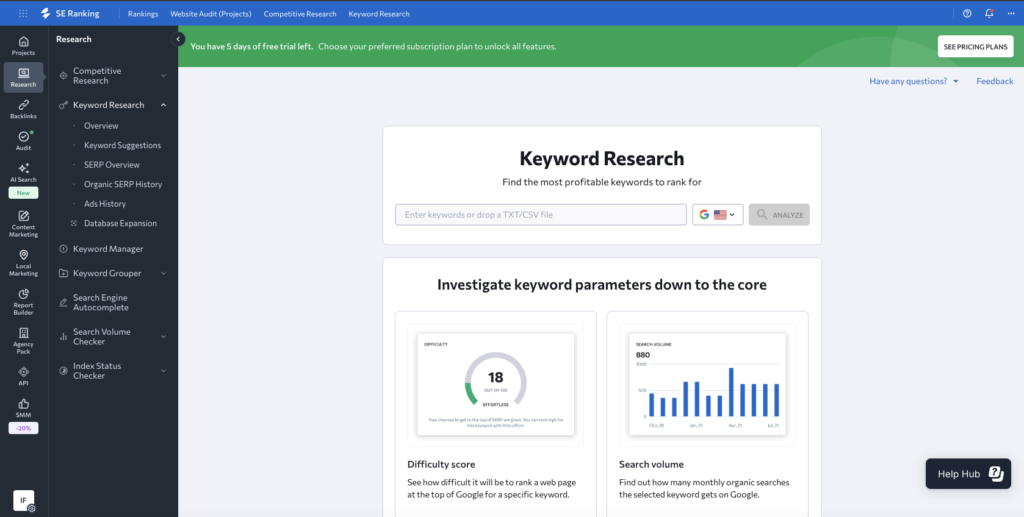
How to Do Keyword Research in 2026: Complete Guide for Small Businesses
Keyword research is the foundation of SEO success—but most small business owners either skip it…

Similar Software to SEO Clarity: Affordable Alternatives for Small Businesses
If you’re searching for similar software to SEO Clarity, chances are you’ve just experienced serious…
Best SEMrush Alternatives in 2026: Affordable SEO Tools That Actually Work
If you’re searching for the best SEMrush alternatives, you’re probably experiencing one of two things:…
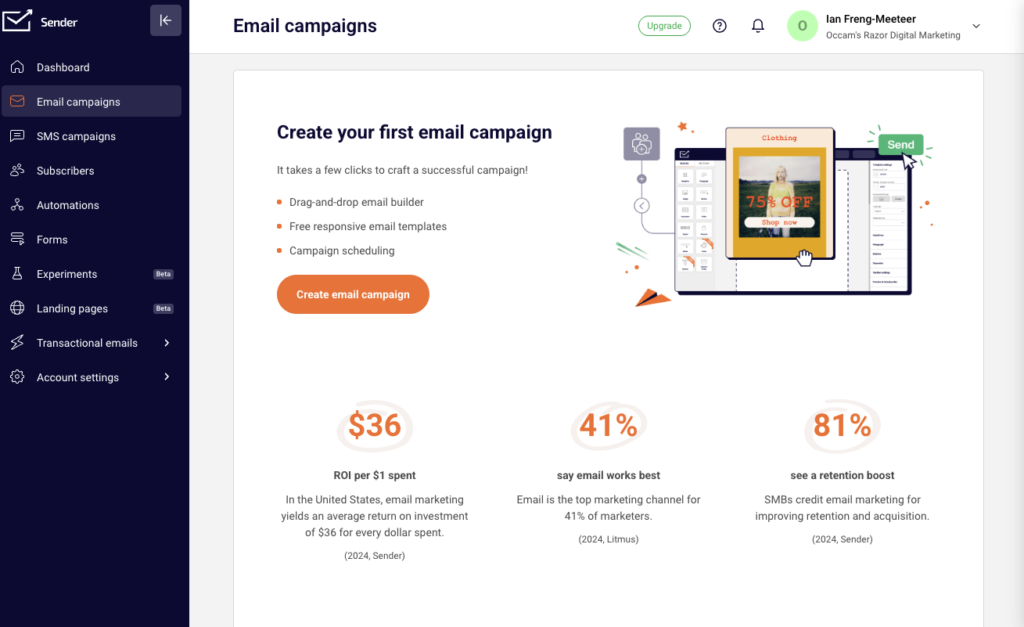
Hotel Email Marketing Software: Why Sender.net is the Perfect Solution for Hotels
Summary: Looking for reliable hotel email marketing software? Sender.net offers hotels everything needed to automate…

How Do I Get More Customers? 10 Proven Strategies for Small Businesses in 2026
Summary: Wondering: “How Do I Get More Customers in 2026?” This comprehensive guide reveals 10…

Best Website Builder for Nonprofit Organizations: Free and Discounted Options in 2026
Summary: Nonprofits operate on tight budgets, making expensive website builders impractical. This guide reviews the…